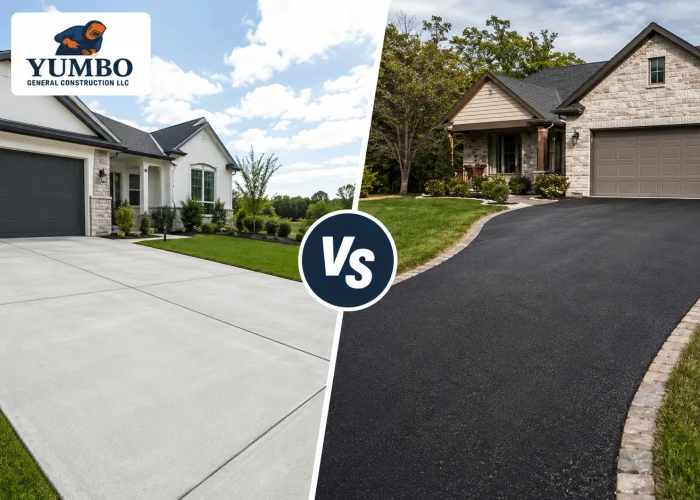
Asphalt is one of the most widely used paving materials in residential, commercial, and industrial construction. It is commonly used for driveways, parking lots, roads, walkways, and other paved surfaces. Known for its durability, flexibility, and smooth finish, asphalt provides a practical solution for creating strong and long-lasting surfaces. Whether you are planning a new driveway or improving a commercial parking area, understanding asphalt and its benefits can help you make the right decision.
Asphalt is made from a combination of aggregates, such as crushed stone, sand, and gravel, mixed with a petroleum-based binder called bitumen. This mixture creates a strong material that can handle regular vehicle traffic and different weather conditions when properly installed and maintained.
What Is Asphalt?
Asphalt is a durable construction material used to create smooth and stable paved surfaces. It is commonly selected for projects that require strength, flexibility, and reliable performance. The combination of aggregates and bitumen allows asphalt to hold together while providing enough flexibility to handle changes in temperature and everyday traffic.
One of the main reasons asphalt is popular is its ability to support different types of vehicles. From residential cars to heavy commercial trucks, properly installed asphalt surfaces can handle varying traffic demands.
Common Types of Asphalt
Different asphalt mixtures are designed for specific construction and paving requirements. Choosing the right type depends on the project’s location, traffic level, and intended use.
1. Hot Mix Asphalt
Hot mix asphalt is one of the most commonly used materials for road construction, driveways, and parking lots. It is produced and applied at high temperatures, allowing the mixture to spread and compact properly.
Its strong structure makes it suitable for areas with regular vehicle traffic. Hot mix asphalt is often selected for projects that require durability and a smooth driving surface.
2. Warm Mix Asphalt
Warm mix asphalt is manufactured at lower temperatures than traditional hot mix asphalt. This process can reduce energy consumption during production and help lower emissions.
It offers similar performance characteristics to hot mix asphalt and can be used for various paving applications. It is also useful in projects where transportation and installation conditions require additional flexibility.
3. Cold Mix Asphalt
Cold mix asphalt is designed for temporary repairs and smaller maintenance projects. Unlike hot mix asphalt, it does not require high temperatures during application.
It is commonly used to repair potholes, cracks, and damaged pavement. Cold mix asphalt provides a convenient solution for quick repairs, although it may not offer the same long-term performance as properly installed hot mix asphalt.
4. Porous Asphalt
Porous asphalt is designed with small interconnected spaces that allow water to pass through the pavement into the underlying stone layer.
This type of asphalt can help manage stormwater runoff and reduce standing water on paved surfaces. It is commonly used in selected parking lots, driveways, and other areas where drainage is important.
Benefits of Using Asphalt
Asphalt offers several advantages that make it a popular choice for residential and commercial paving projects.
1. Long-Lasting Durability
Properly installed asphalt can provide years of reliable performance. Its flexible structure helps it withstand regular traffic and certain ground movements without immediately developing major structural damage.
Routine maintenance, including crack sealing and sealcoating, can help extend the pavement’s lifespan.
2. Smooth and Comfortable Surface
A smooth asphalt surface provides a comfortable driving experience for vehicles. It also creates a clean and professional appearance for residential driveways, business entrances, and commercial parking lots.
Proper grading and installation help create an even surface that supports safe vehicle movement.
3. Cost-Effective Paving Solution
Asphalt is often a cost-effective option compared with other paving materials. Its installation process can be relatively quick, helping reduce labor and project downtime.
Additionally, regular maintenance can help prevent expensive repairs and protect the original investment.
4. Quick Installation and Use
Asphalt paving projects can often be completed faster than some alternative paving methods. Once the material has been properly installed and cooled, the surface can generally be opened to traffic according to the contractor’s recommendations.
This makes asphalt a practical option for businesses that want to minimize interruptions to daily operations.
5. Weather Resistance
Asphalt is designed to handle different environmental conditions. Its flexible composition helps it accommodate some temperature-related expansion and contraction.
However, proper drainage and maintenance are essential to prevent water penetration, cracking, and surface deterioration.
6. Recyclability
Asphalt is one of the most recycled construction materials. Reclaimed asphalt pavement can be processed and reused in new asphalt mixtures.
Recycling helps reduce construction waste, conserve natural resources, and support more sustainable paving practices.
Common Applications of Asphalt
Asphalt is suitable for many residential, commercial, and public construction projects.
Residential Driveways: Asphalt creates an attractive and functional driveway that supports everyday vehicle use. Homeowners often choose it because of its smooth appearance and relatively straightforward maintenance requirements.
Commercial Parking Lots: Businesses use asphalt to create organized parking spaces, driving lanes, and accessible entrances. A properly maintained parking lot also improves the overall appearance of commercial properties.
Road Construction: Asphalt is widely used for local roads, highways, and other transportation routes because it provides a smooth surface capable of supporting regular traffic.
Walkways and Access Roads: Asphalt can also be used for pathways, private roads, and access areas where a durable and even surface is needed.
Asphalt Installation Process
Professional installation is important for achieving a strong and long-lasting asphalt surface. Although the exact process depends on the project, most paving jobs involve several important steps.
1. Site Preparation: The existing surface is inspected, and vegetation, debris, and unsuitable materials are removed.
2. Grading and Drainage: The ground is properly graded to create a stable foundation and direct water away from the paved area.
3. Base Installation: A compacted aggregate base is prepared to support the asphalt and distribute vehicle weight.
4. Asphalt Application: The asphalt mixture is transported to the site, spread evenly, and installed at the appropriate thickness.
5. Compaction: Heavy rollers compact the asphalt to create a dense and stable surface.
6. Final Inspection: The finished pavement is inspected for smoothness, drainage, edges, and overall quality before being opened for use.
Tips for Maintaining Asphalt Surfaces
Regular maintenance helps protect asphalt from premature damage and expensive repairs. Here are some useful maintenance practices:
- Seal Cracks Early: Repair small cracks before water enters the pavement and causes additional damage.
- Apply Sealcoating: Sealcoating helps protect asphalt from moisture, sunlight, and certain chemical spills.
- Maintain Proper Drainage: Ensure water flows away from the paved surface instead of collecting in low areas.
- Clean the Surface: Remove dirt, leaves, oil, and other debris regularly.
- Repair Potholes: Address potholes and damaged areas promptly to prevent further pavement deterioration.
- Schedule Professional Inspections: Have a paving professional evaluate the surface periodically to identify potential problems.
Conclusion
Asphalt is a reliable, versatile, and cost-effective paving material for residential driveways, commercial parking lots, roads, and other construction applications. Its durability, smooth finish, relatively quick installation, and recyclability make it a popular choice for property owners and businesses.
Choosing the right asphalt mixture, ensuring professional installation, and following a regular maintenance schedule can help maximize the performance and lifespan of your paved surface. Whether you need a new driveway, parking lot installation, or pavement repairs, investing in quality asphalt work can provide long-term value and dependable results.